
Ultimate Guide to Tanga Safari
Find Tanga Safari Tours from Verified Tanzania Operators
The Ultimate Guide to Tanga Safari
Magnificent Tanzania Cities
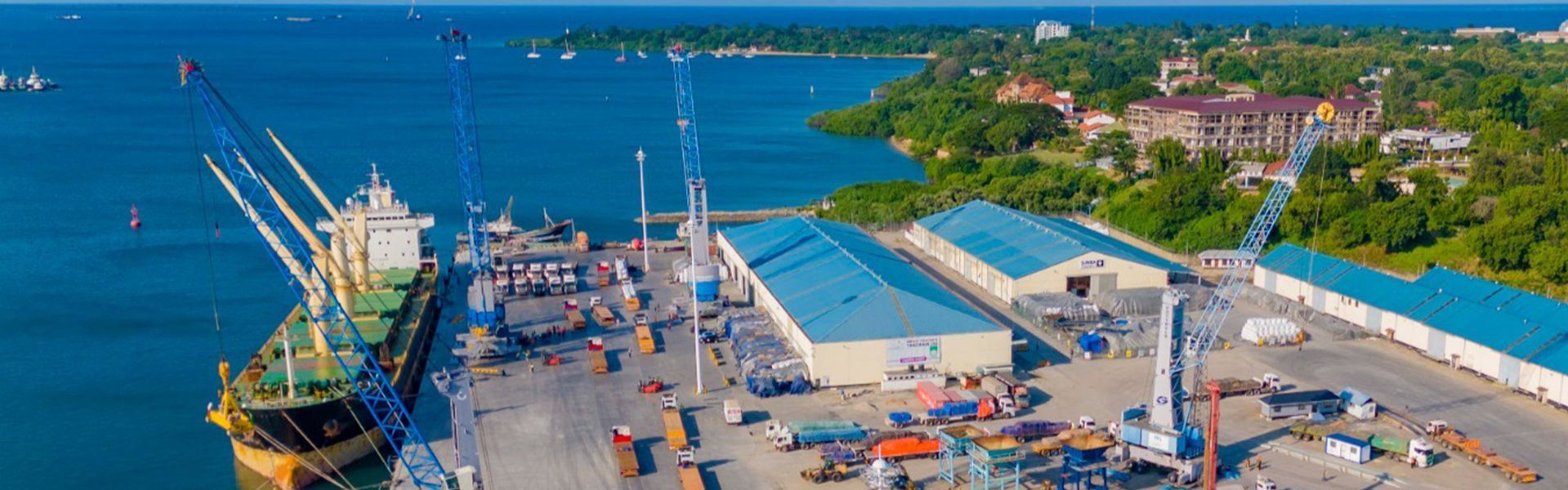
Tanga (Jiji la Tanga in Swahili) is a historic port city and the capital of Tanga Region in northern Tanzania. Located on Tanga Bay along the Indian Ocean, it has long been a hub of trade, culture, and colonial history. The name “Tanga” means sail in Swahili, reflecting its maritime heritage. With a population of nearly 400,000 (2022), the city is governed by the Tanga City Council and remains home to the Port of Tanga, Tanzania’s second largest port.
Geography & Environment
Tanga lies on the northern coast of Tanzania, bordered by mangrove forests, sandy beaches, and the sheltered waters of Tanga Bay. Its tropical climate is hot and humid year-round, with average annual rainfall of about 1,290 mm. Rainfall comes in two distinct seasons: the “long rains” in April–May and the “short rains” in November–December. Temperatures range from 28–33°C during the day and 20–23°C at night, creating a classic coastal climate.
Wildlife
While Tanga itself is urban, its surrounding areas host diverse ecosystems. Mangrove forests along the coast shelter crabs, fish, and birdlife. Inland, wetlands and forests support monkeys, reptiles, and smaller mammals. Nearby Saadani National Park offers a rare combination of beach and savannah wildlife, including elephants, lions, and marine species.
Surrounding Areas
Tanga is surrounded by cultural and natural attractions. The Amboni Caves, just north of the city, are East Africa’s largest limestone cave system. Tongoni Ruins preserve remnants of a 15th-century Swahili settlement. Offshore, Toten Island contains ruins and colonial-era graves. Inland, Magoroto Lake offers a scenic crater lake surrounded by forests. The city’s location makes it a gateway to both coastal and inland tourism circuits.
Activities
Cultural & Historical Tours: Explore the Amboni Caves, Tongoni Ruins, and URITHI Tanga Museum to learn about Swahili and colonial history.
Birdwatching & Nature Walks: Mangrove forests and coastal wetlands provide habitats for diverse bird species and marine life.
Beach Leisure: Relax on Mwarongo and other sandy beaches, or enjoy the Mangrove Boardwalk in Sahare for eco-tourism.
Photography: Capture historic architecture, coastal landscapes, and vibrant markets.
Day Trips: Visit Saadani National Park for a unique blend of wildlife and ocean scenery, or Magoroto Lake for forest hikes and picnics.
Community Engagement: Join local guides for cultural experiences in villages and markets, supporting heritage and livelihoods.
Best Time to Visit
Dry Season (June–October): Clear skies, comfortable conditions for sightseeing and outdoor activities.
Short Rains (November–December): Lush greenery and cultural vibrancy, though occasional showers.
Long Rains (April–May): Heavy rainfall, but dramatic coastal scenery and fewer tourists.
Year-Round: Tanga’s tropical climate ensures accessibility, with seasonal variations adding different charms.
Visitor Tips
Access: Tanga is connected by road to Chalinze, Segera, and Moshi; flights link the city to Dar es Salaam, Zanzibar, and Pemba Island.
Transport: Standard vehicles suffice, though 4x4s are useful for rural excursions.
Clothing: Light wear for daytime, modest attire for cultural respect, and rain gear in wet months.
Supplies: Carry water, snacks, and binoculars; facilities may be limited outside the city.
Safety: Respect local customs and avoid disturbing sensitive coastal habitats.
Community Support: Engage with eco-tourism initiatives and local guides to sustain conservation and cultural heritage.