

Ultimate Guide to Amboni Caves Safari
Find Amboni Caves Safari Tours from Verified Tanzania Operators
The Ultimate Guide to Amboni Caves Safari
Magnificent Tanzania Caves
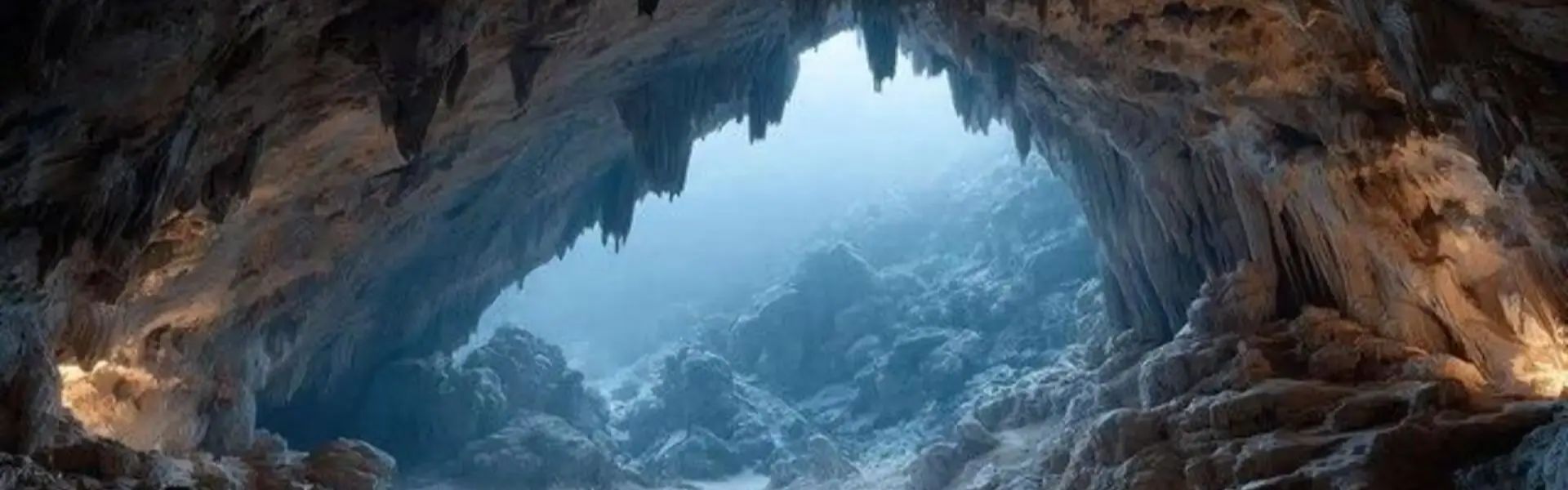
Amboni Caves (Mapango ya Amboni in Swahili) are a limestone cave complex located in Kiomoni ward, about 8 km north of Tanga city center along the Tanga–Mombasa road. Formed roughly 150 million years ago during the Jurassic age, the caves cover an area of 234 km². Researchers believe the area was once underwater around 20 million years ago. Of the ten caves in the complex, only one is currently open for guided tours, making it the main attraction for visitors.
History
The caves were acquired in 1892 by Amboni Limited, a company operating sisal plantations in the region. In 1922, the British colonial government declared the caves a conservation area. Local ethnic groups such as the Segeju, Sambaa, Bondei, and Digo are known to have used the caves for prayers and rituals long before formal recognition. In 1963, after independence, the caves were handed over to the Department of Antiquities, ensuring their preservation as a cultural and natural heritage site.
Surrounding Areas
Amboni Caves lie just outside Tanga city, making them easily accessible for day trips. The surrounding landscape includes coastal forests, sisal plantations, and rural villages. Their proximity to Tanga’s port and historic sites such as Tongoni Ruins and Toten Island makes the caves part of a broader cultural and eco-tourism circuit in the region.
Activities
Bat Watching (Popo Flight): At sunset, thousands of bats fly out of the cave entrance, creating a dramatic spectacle.
Rock Formations: Inside the caves, visitors can see natural rock shapes resembling a sofa, ship, crocodile, elephant, map of Africa, Statue of Liberty, and a lion’s head.
Guided Tours: Explore the cave’s chambers with local guides who explain its geology, history, and cultural significance.
Educational Visits: The caves are popular among students for geography and geology lessons, offering a hands-on learning environment.
Photography: Capture the unique limestone formations, vines, and dramatic cave interiors.
Best Time to Visit
Dry Season (June–October): Easier access and comfortable conditions for exploring the caves.
Wet Season (November–May): Lush vegetation surrounds the cave area, though trails may be slippery.
Year-Round: The caves remain accessible and fascinating regardless of season.
Visitor Tips
Access: Located 8 km north of Tanga city; reachable by road in less than 20 minutes.
Transport: Standard vehicles are sufficient; roads are well-maintained.
Clothing: Wear sturdy shoes for walking inside the caves; carry light clothing for the humid climate.
Supplies: Bring a flashlight, water, and snacks; facilities are limited near the caves.
Safety: Guided tours are recommended to navigate safely and understand the cave’s features.
Community Support: Engage with local guides and eco-tourism initiatives to support conservation and livelihoods.