

Ultimate Guide to Lake Eyasi Safari
Find Lake Eyasi Safari Tours from Verified Tanzania Operators
The Ultimate Guide to Lake Eyasi Safari
Magnificent Tanzania Lakes
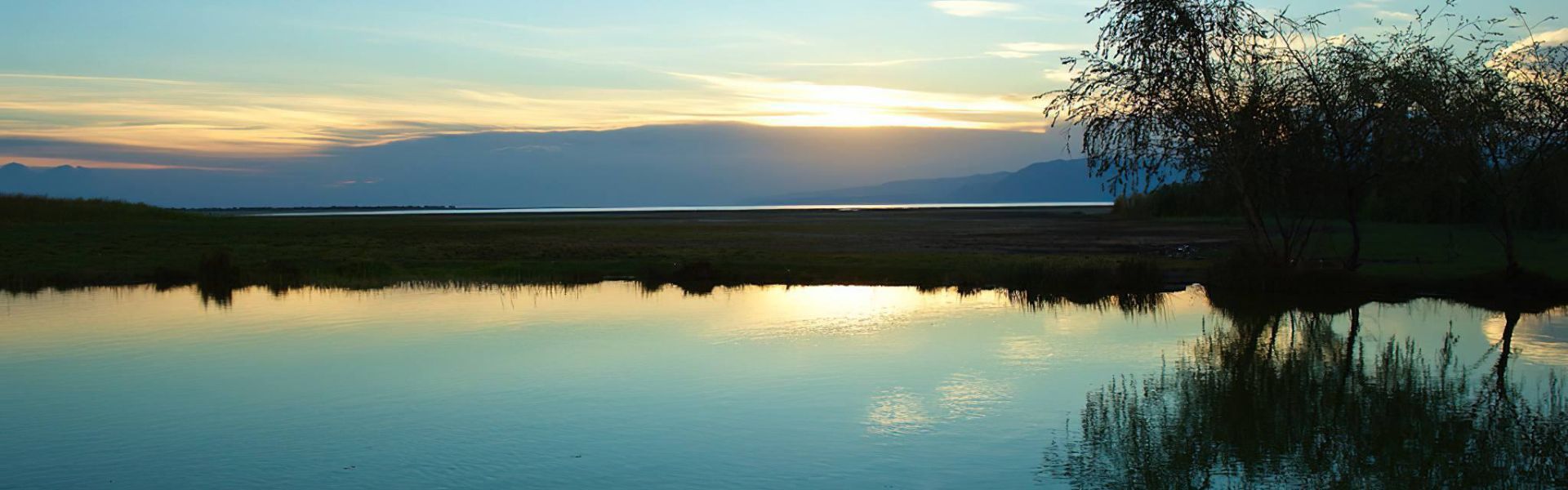
Lake Eyasi is a seasonal, shallow soda lake lying on the floor of the Great Rift Valley in northern Tanzania’s Arusha Region. Situated in the Karatu District, it covers about 1,050 square kilometers, though its size and depth fluctuate greatly depending on rainfall. The lake is enclosed by striking purple lava escarpments and bordered by white alkaline flats, with the Sibiti River serving as its main inlet. With no natural outlet, Eyasi is an endorheic basin, creating a unique ecosystem that shifts dramatically between wet and dry seasons.
Geography & Environment
Lake Eyasi’s seasonal nature means its water levels rise and fall sharply with the rains. During wetter months, the lake expands into a broad body of water, while in dry periods it recedes into alkaline flats. This dynamic environment supports both wildlife and human communities, and its location south of Serengeti and southwest of Ngorongoro makes it a cultural and ecological complement to Tanzania’s famous safari destinations.
Wildlife
The lake attracts large flocks of waterbirds, particularly lesser and greater flamingos, pelicans, and storks. Hippos occasionally appear during wetter seasons, while the surrounding wetlands host smaller mammals and reptiles. Birdwatching is especially rewarding when the lake is full, as migratory species join resident populations to feed in the nutrient-rich waters.
Surrounding Areas
Lake Eyasi is best known for its cultural significance. It is the homeland of the Hadzabe, one of the last remaining hunter-gatherer groups in Africa, and the Datoga, a pastoralist community. Visitors can engage with these groups through guided cultural tours, gaining insight into traditional hunting, gathering, and pastoral practices. The lake’s proximity to Ngorongoro and Serengeti makes it an ideal stop for travelers seeking both cultural immersion and natural exploration.
Activities
Birdwatching: Seasonal flocks of flamingos, pelicans, and storks make Eyasi a prime birding destination, especially after rains.
Cultural Visits: Meet the Hadzabe hunter-gatherers and Datoga pastoralists, learning about their traditions, crafts, and daily life.
Walking Safaris: Guided treks along the lake’s alkaline flats and wetlands provide opportunities to spot wildlife and enjoy the dramatic scenery.
Tracking Excursions: Join Hadzabe guides for traditional tracking experiences, offering a glimpse into their hunting skills and deep knowledge of the land.
Best Time to Visit
Wet Season (November–May): The lake fills, attracting birdlife and offering vibrant cultural experiences.
Dry Season (June–October): The lake recedes, exposing alkaline flats and making cultural visits more accessible.
Year-Round: Activities vary with the seasons, but Lake Eyasi remains a rewarding destination for both cultural and ecological exploration.
Visitor Tips
Access: Reached via Karatu, often combined with trips to Ngorongoro or Serengeti.
Transport: 4x4 vehicles are recommended, especially in wet months when roads can be muddy.
Clothing: Light wear for daytime, sturdy shoes for walking safaris, and warm layers for evenings.
Supplies: Carry water, snacks, and binoculars; facilities are limited near the lake.
Safety: Respect local customs and wildlife habitats; guided tours are strongly recommended.
Community Support: Engage with Hadzabe and Datoga communities through responsible tourism initiatives to sustain livelihoods and traditions.