

Ultimate Guide to Lake Challa Safari
Find Lake Challa Safari Tours from Verified Tanzania Operators
The Ultimate Guide to Lake Challa Safari
Magnificent Tanzania Lakes
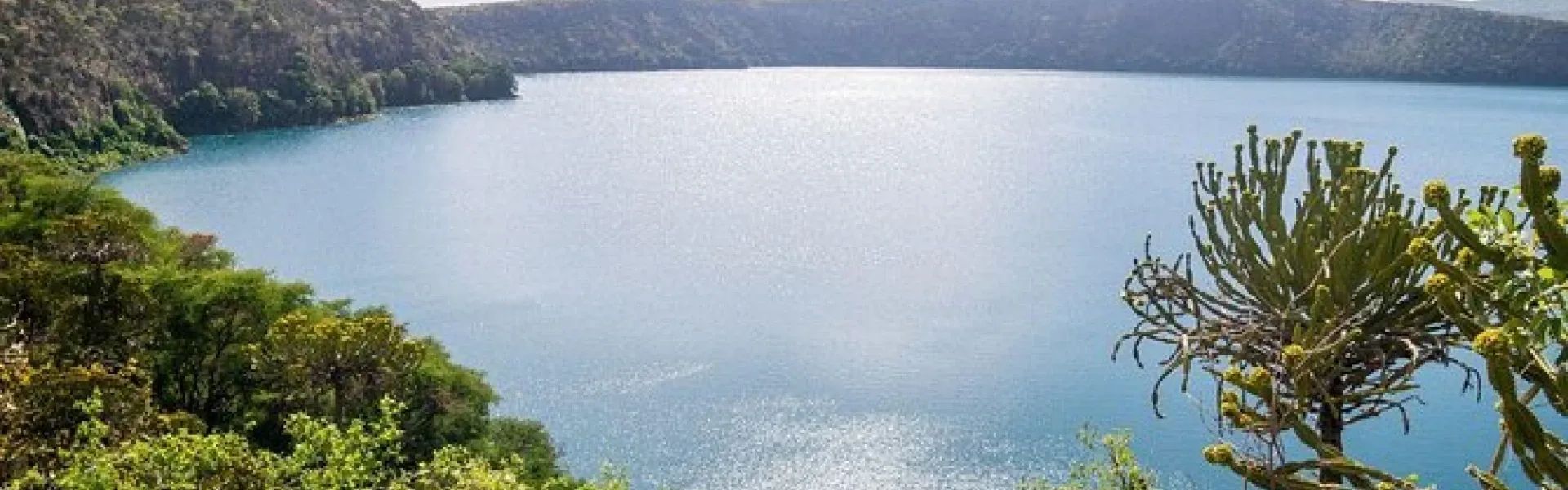
Lake Chala, also known as Lake Challa, is a striking crater lake that straddles the border between Kenya and Tanzania. Formed approximately 250,000 years ago, it lies east of Mount Kilimanjaro, about 8 kilometers north of Taveta in Kenya and 55 kilometers east of Tanzania’s Rombo District. Its emerald waters, steep crater walls, and tranquil setting make it one of East Africa’s most scenic natural attractions.
Geography & Environment
Lake Chala is a volcanic crater lake fed by underground streams from Mount Kilimanjaro rather than visible rivers. Its size and depth vary seasonally, with estimates suggesting depths of up to 90–100 meters. The steep crater rim is covered in dry savannah vegetation, while the lake itself reflects vivid shades of turquoise and emerald depending on the light. The surrounding area is protected as part of the Lake Chala Conservancy, ensuring conservation of its fragile ecosystem.
Wildlife
The lake and its rim host diverse birdlife, including fish eagles, weavers, and kingfishers. Monitor lizards and small reptiles are common along the shoreline, while the surrounding savannah supports antelope and occasional elephants. The lake’s waters are home to endemic fish species, adding ecological uniqueness to the site.
Surrounding Areas
Lake Chala lies close to both Kilimanjaro National Park and Tsavo West National Park, making it an ideal stop for travelers exploring northern Tanzania or southern Kenya. The nearby Lake Chala Safari Lodge offers accommodation and guided activities, while Taveta town provides local access and cultural experiences.
Activities
Birdwatching: The crater rim and lakeshore host a variety of bird species, making it a rewarding destination for enthusiasts.
Canoeing & Kayaking: Guided trips allow visitors to explore the calm waters and steep crater walls.
Hiking: Trails around the crater rim provide panoramic views of the lake and surrounding savannah.
Photography: Capture the lake’s vivid colors, dramatic crater walls, and wildlife.
Cultural Visits: Explore nearby Taveta town and local communities for insights into cross-border culture.
Best Time to Visit
Dry Season (June–October): Clear skies and firm trails make hiking and lake activities ideal.
Wet Season (November–May): Lush vegetation and active birdlife, though trails may be slippery.
Year-Round: The lake’s beauty and tranquility remain constant, with seasonal variations adding charm.
Visitor Tips
Access: About 1 hour from Moshi, or 3 hours from Arusha; also reachable from Taveta in Kenya.
Transport: Standard vehicles can reach the lake, though 4x4s are useful in wet conditions.
Clothing: Comfortable walking shoes, light daytime wear, and rain gear during wet months.
Supplies: Bring water, snacks, and binoculars; facilities are limited outside lodges.
Safety: Swimming is discouraged due to steep crater walls and depth; guided tours are recommended.
Community Support: Engage with local eco-tourism initiatives to sustain conservation and livelihoods.