

Ultimate Guide to Pangani Safari
Find Pangani Safari Tours from Verified Tanzania Operators
The Ultimate Guide to Pangani Safari
Magnificent Tanzania Old Towns
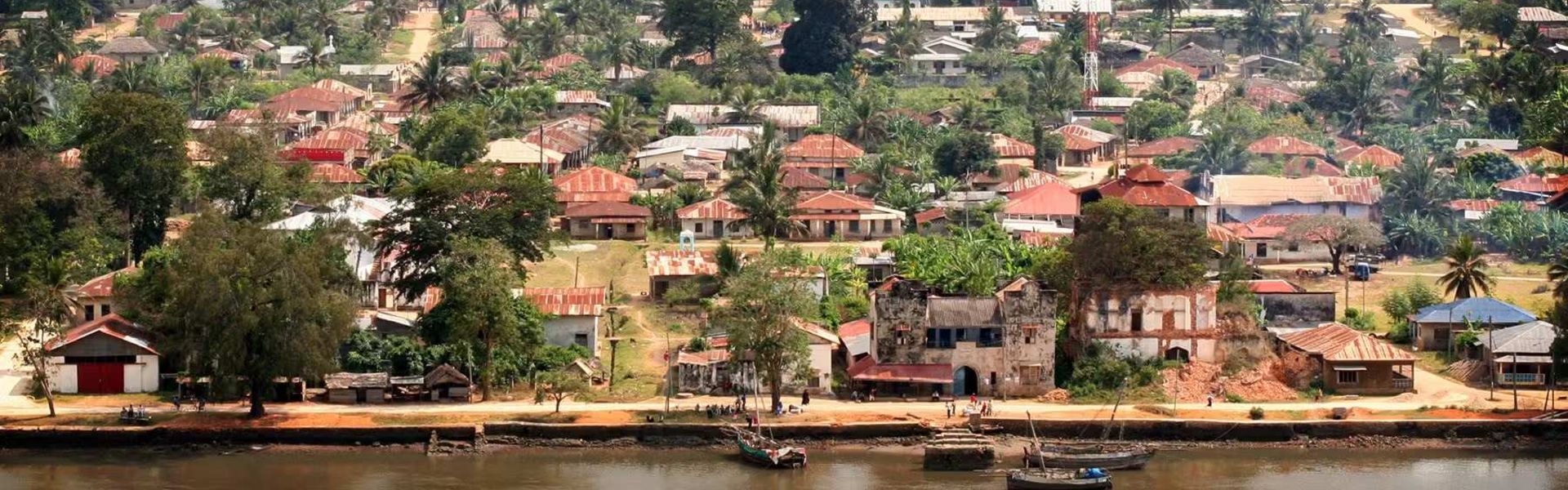
Pangani Old Town is a historic coastal settlement located at the mouth of the Pangani River in the Tanga Region of northeastern Tanzania, about 50 km south of Tanga city. Once a bustling hub of trade and colonial administration, it now stands as a living museum of Swahili culture, layered with Arab, German, British, and Asian influences. Its narrow streets, fading stone houses, and riverfront landmarks reflect centuries of history, making it one of Tanzania’s most atmospheric heritage towns.
History & Architecture
Pangani rose to prominence in the 19th century as a coastal terminus for caravan routes from the interior, heavily involved in ivory and slave trading. During the colonial period, it became an early German administrative headquarters and witnessed resistance during the Abushiri Revolt (1888–1890) before later coming under British rule. Key landmarks include the German Boma, a 19th-century administrative building now serving as a cultural center and museum; fading Swahili-Arabic trading houses and ruins; a former ochre-red prison overlooking the river; and the Pangani Museum, housed in a historic merchant’s residence that details the town’s layered past.
Surrounding Areas
The town lies at the mouth of the Pangani River, where mangroves and coastal ecosystems meet the Indian Ocean. Its location made it a strategic port for centuries, and today it provides access to nearby beaches and marine reserves. The surrounding area blends cultural heritage with natural attractions, offering visitors both historical exploration and coastal leisure.
Activities
Walking Tours: Guided tours through the compact old town reveal its narrow streets, trading houses, ferry jetty, and bustling fish market, bringing history to life.
Pangani River Safaris: Boat cruises along the river allow visitors to spot birdlife and crocodiles, while the local ferry offers a traditional crossing to Bweni village.
Coastal & Island Excursions: Trips to Ushongo Beach provide quiet, unspoiled shorelines; Maziwi Island Marine Reserve offers snorkeling among coral reefs and chances to see dolphins; and Saadani National Park, further down the coast, combines beach and wildlife safari experiences.
Best Time to Visit
Winter (June–September): Cooler, dry season ideal for walking tours and river safaris
Spring (October–December): Warm weather with lively coastal activity and cultural events
Summer (January–March): Hotter conditions, perfect for beach and marine excursions
Autumn (April–May): Rainy season with lush greenery but limited outdoor activities
Visitor Tips
Access: Easily reached by road from Tanga city; local buses and private cars are common
Vehicles: Standard cars suffice; roads are accessible though coastal routes may be sandy
Supplies: Bring water, snacks, and sun protection; facilities are limited outside town
Clothing: Light wear for daytime, modest attire for cultural respect, and warm layers for evenings
Safety: Respect local customs and avoid disturbing sensitive river and coastal habitats
Community Support: Engage with local guides and eco-tourism initiatives to sustain heritage and livelihoods