

Ultimate Guide to Mufindi Highlands Safari
Find Mufindi Highlands Safari Tours from Verified Tanzania Operators
The Ultimate Guide to Mufindi Highlands Safari
Magnificent Tanzania Mountains
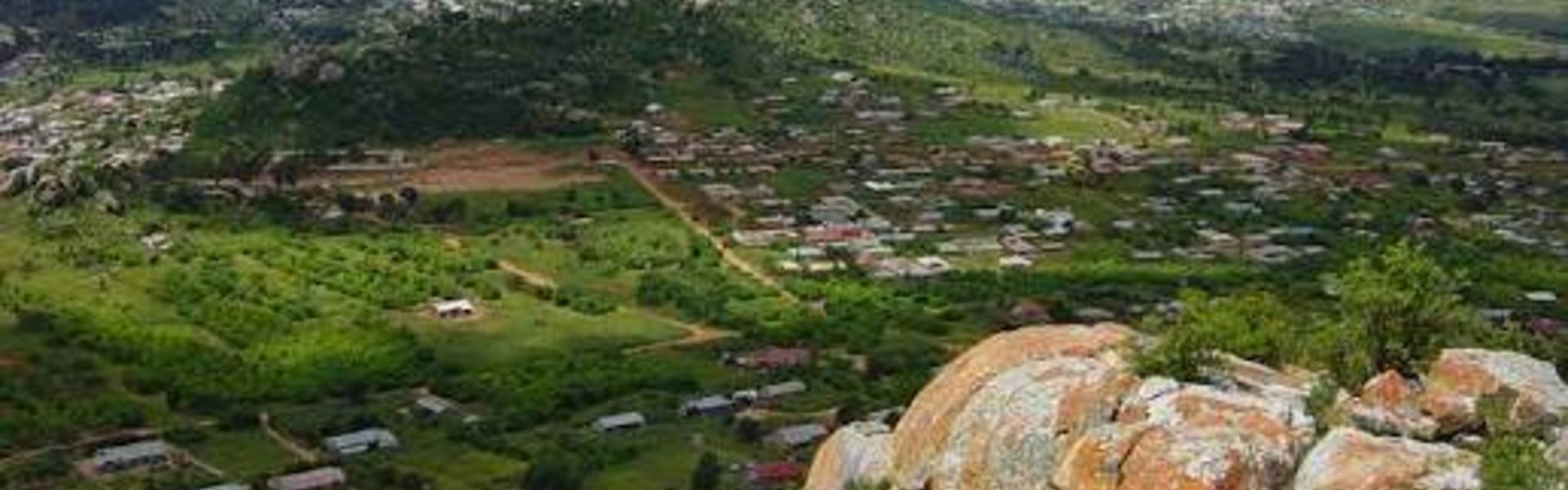
Mufindi Highlands in Southern Tanzania are a cool, elevated region of tea plantations, montane forests, and rolling hills. Rising to nearly 2,000 meters above sea level, they provide a refreshing climate compared to the country’s hotter lowlands. The area forms part of the Eastern Arc Mountains, with volcanic hills, lakes, and valleys that sustain both agriculture and forestry. Communities here, mainly Hehe and Bena, balance traditional farming with modern tea and timber industries. Wildlife includes monkeys, small antelopes, and diverse birdlife such as Livingstone’s turaco. Positioned between Ruaha and Nyerere National Parks, Mufindi serves as both a retreat and a gateway for exploration.
Geography & Environment
The Highlands are characterized by rolling volcanic hills, tea estates, timber plantations, and indigenous montane rainforests. Rainfall averages between 1,200–1,600 mm annually, creating lush vegetation and feeding rivers that drain into the Rufiji basin. Temperatures remain mild, averaging 13–18°C, with frosty nights possible between June and September. This cool climate makes Mufindi one of Tanzania’s most comfortable destinations year-round.
Wildlife
Mufindi’s forests and lakes support a variety of species. Birdlife is abundant, with Livingstone’s turaco, sunbirds, and hornbills among the highlights. Monkeys such as blue monkeys and colobus are common, while small antelopes roam forest edges. The region also hosts trout streams and fish farms, adding to its ecological diversity.
Surrounding Areas
The district capital, Mafinga, lies along the TANZAM Highway and TAZARA Railway, linking Tanzania to Zambia and Malawi. The economy is driven by tea, coffee, pyrethrum, maize, beans, and fruits like avocados and apples. Forestry is significant, with the Sao Hill Plantation being Tanzania’s largest man-made forest. Livestock farming also plays a role, with tens of thousands of cattle supporting local livelihoods.
Activities
Birdwatching: The Highlands are a paradise for bird enthusiasts, with species such as Livingstone’s turaco, hornbills, and migratory waterfowl thriving in the montane forests and lakes. Guided walks offer excellent opportunities to spot rare and colorful birds in their natural habitats.
Horseback Riding: Explore tea estates and rolling hills on horseback, a unique way to experience the landscape.
Mountain Biking: Trails wind through plantations and valleys, offering both scenic rides and challenging terrain.
Fly-Fishing: Cool streams and lakes provide opportunities to catch trout, a rare experience in Tanzania.
Kayaking: Paddle across tranquil highland lakes surrounded by lush greenery.
Sports & Leisure: Lodges offer tennis, croquet, and golf, blending relaxation with activity.
Photography: Capture dramatic escarpments, misty forests, and vibrant wildlife.
Cultural Visits: Tour tea estates, visit traditional villages, and engage with community projects.
Eco-Tourism: Stay at lodges like Mufindi Highland Lodge, which emphasize sustainability and farm-to-table dining.
Best Time to Visit
Winter (June–September): Cool, dry season with frosty nights, ideal for hiking and outdoor sports
Wet Season (November–June): Lush vegetation, waterfalls, and active birdlife
Year-Round: Mild daytime temperatures make it a comfortable retreat after hot savannah safaris
Visitor Tips
Access: 2.5 hours by road from Iringa; charter flights land at Ngwasi airstrip
Transport: Standard vehicles are sufficient; self-drives are scenic and rewarding
Clothing: Warm layers for evenings, light wear for daytime, rain gear in wet months
Supplies: Carry binoculars, water, and snacks; facilities are limited outside lodges
Safety: Respect forest habitats and avoid disturbing wildlife
Community Support: Engage with local eco-tourism initiatives to sustain conservation and livelihoods