

Ultimate Guide to Kikuletwa Hot Springs Safari
Find Kikuletwa Hot Springs Safari Tours from Verified Tanzania Operators
The Ultimate Guide to Kikuletwa Hot Springs Safari
Magnificent Tanzania Hot Springs
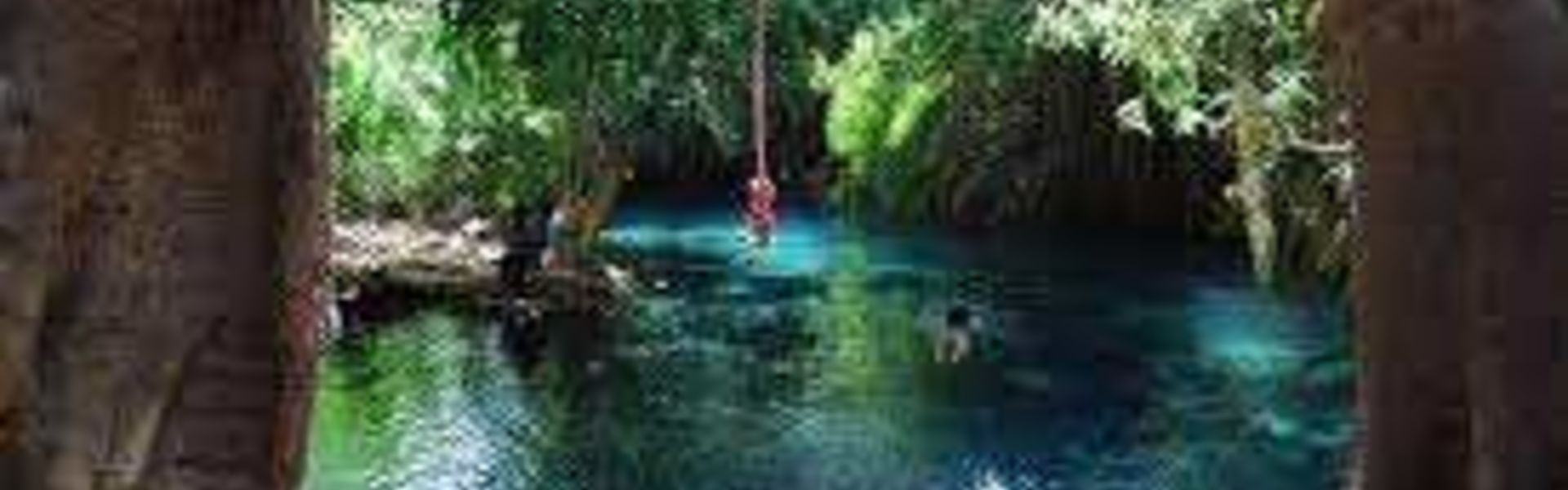
Kikuletwa Hot Springs (Maji Moto ya Kikuletwa in Swahili), also known as Chemka Hot Springs, is a natural geothermal oasis located in Masama Rundugai ward of Hai District in the Kilimanjaro Region of Tanzania. The name Chemka means “boiling” in Swahili, describing the bubbling appearance of the water as it emerges from underground. The springs lie about 40 kilometers from Moshi town, a gateway to Mount Kilimanjaro, in the village of Chemka. The clear waters flow into the Kikuletwa River and eventually join the Pangani River.
Geography & Environment
The hot springs are set in a lush, tranquil environment surrounded by palm trees and tropical vegetation. The water is crystal clear, with a pleasant temperature of around 27°C (81°F), making it ideal for swimming and relaxation. Depths range between 6 and 10 meters, offering both shallow areas for wading and deeper spots for adventurous swimmers. Historically, the Chagga people regarded the site as sacred, adding cultural significance to its natural beauty.
Wildlife
The springs are home to small aquatic species such as catfish and red garra, which are known to nibble gently on the feet of visitors, creating a natural “fish spa” experience. The surrounding forests and wetlands host diverse birdlife, making the area popular for birdwatching. Species include kingfishers, herons, and other tropical birds that thrive in the moist environment.
Surrounding Areas
Kikuletwa Hot Springs lies between Moshi and Arusha, making it a convenient stop for travelers heading to Kilimanjaro or the northern safari circuit. The nearby town of Boma Ng’ombe provides local access, while the springs themselves are part of a broader landscape of rivers, forests, and rural villages.
Activities
Birdwatching: The surrounding wetlands and forests host numerous bird species, offering a rewarding experience for enthusiasts.
Swimming & Relaxation: The warm, clear waters are perfect for swimming, floating, and unwinding in a natural setting.
Fish Spa Experience: Catfish and red garra gently nibble at visitors’ feet, providing a unique natural exfoliation.
Photography: Capture the emerald waters, palm-fringed scenery, and vibrant birdlife.
Camping & Picnicking: Facilities nearby allow for camping, picnics, and day-long relaxation.
Cultural Visits: Learn about the Chagga traditions that once regarded the springs as sacred.
Best Time to Visit
Dry Season (June–October): Clear skies and firm access roads make visits easier and more enjoyable.
Wet Season (November–May): Lush vegetation and active birdlife, though roads may be muddy.
Year-Round: The springs remain accessible and inviting, with seasonal variations adding charm.
Visitor Tips
Access: Reachable by car from Moshi or Arusha; tuk-tuks are available from Boma Ng’ombe.
Transport: Standard vehicles can access the site, though 4x4s are useful in wet conditions.
Clothing: Light swimwear for the springs, casual wear for the surrounding area.
Supplies: Bring water, snacks, and a camera; a small entrance fee may apply.
Facilities: Souvenir shops, a restaurant, and a bar are located nearby.
Safety: Depths vary, so swim with caution; guided tours are recommended for first-time visitors.
Community Support: Using local guides and services helps sustain conservation and livelihoods.
.